Nutrient deficiencies remain one of the most common — and costly — causes of lost yield potential in Australian broadacre crops. The challenge is that most deficiencies begin long before visible symptoms appear. Early growth stages are especially vulnerable, as crops establish the foundations for tiller survival, branching, flowering and biomass accumulation.
Layered on top of this are the environmental and management stresses that crops face throughout the season. Cold starts, moisture stress, uneven establishment and herbicide applications all increase the risk of early setbacks that can compromise final yield.
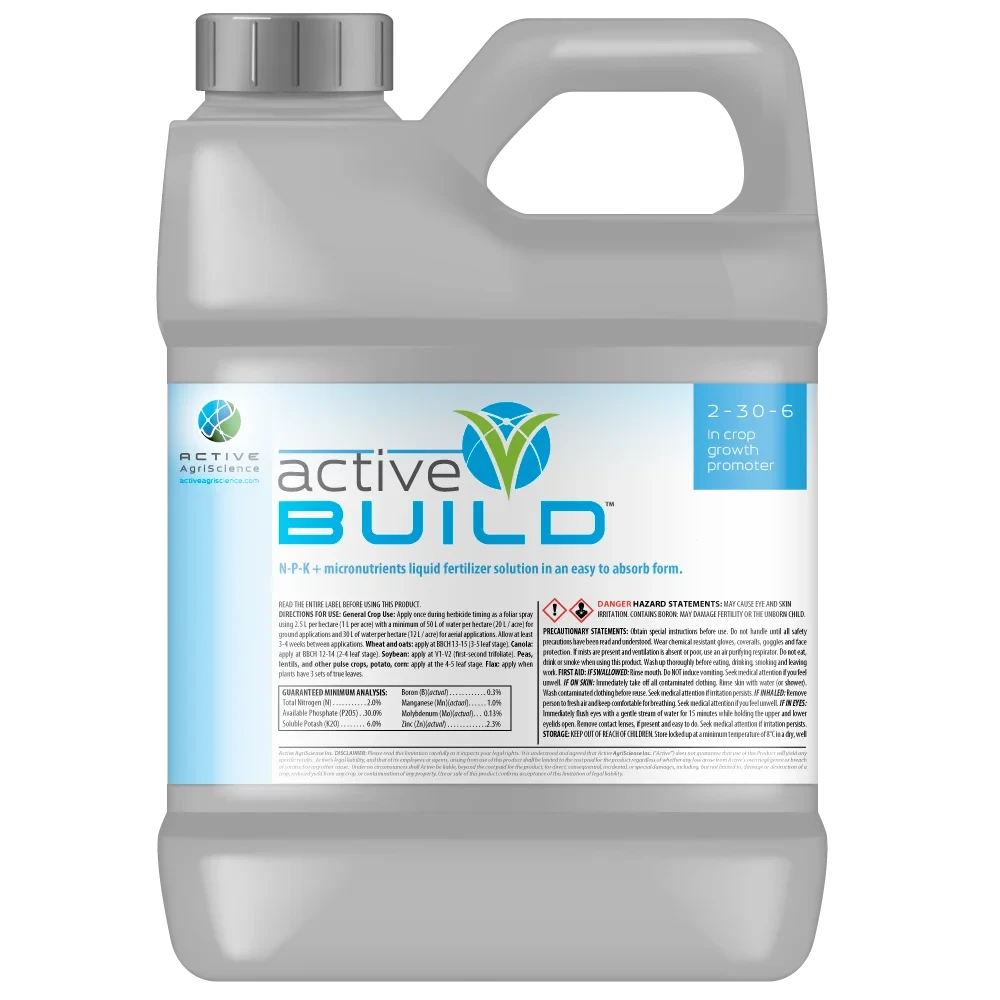
Active BUILD™ — a balanced foliar nutrient booster — is designed to address these issues head‑on. By supplying key nutrients directly to the leaf and supporting the plant’s natural stress‑response pathways, it helps growers stay ahead of hidden hunger and environmental stress before they impact performance.
On this page
Why Nutrient Deficiencies Develop in Broadacre Crops
Even in well‑fertilised paddocks, crops can become nutrient‑limited due to:
- Cold soils slowing root activity and nutrient mineralisation
- Dry conditions restricting nutrient movement
- Rapid vegetative growth outpacing nutrient supply
- Soil pH issues reducing nutrient availability
- Nutrient antagonisms (e.g., high K suppressing Mg, high N diluting micronutrients)
These conditions are common across Australia, particularly during early growth when crops must rapidly build canopy, root mass and stress resilience.

Key Nutrients Delivered by Active BUILD™

Active BUILD™ provides a balanced suite of nutrients essential for early crop vigour. While each nutrient has multiple roles, the following are particularly critical during establishment and early biomass production.

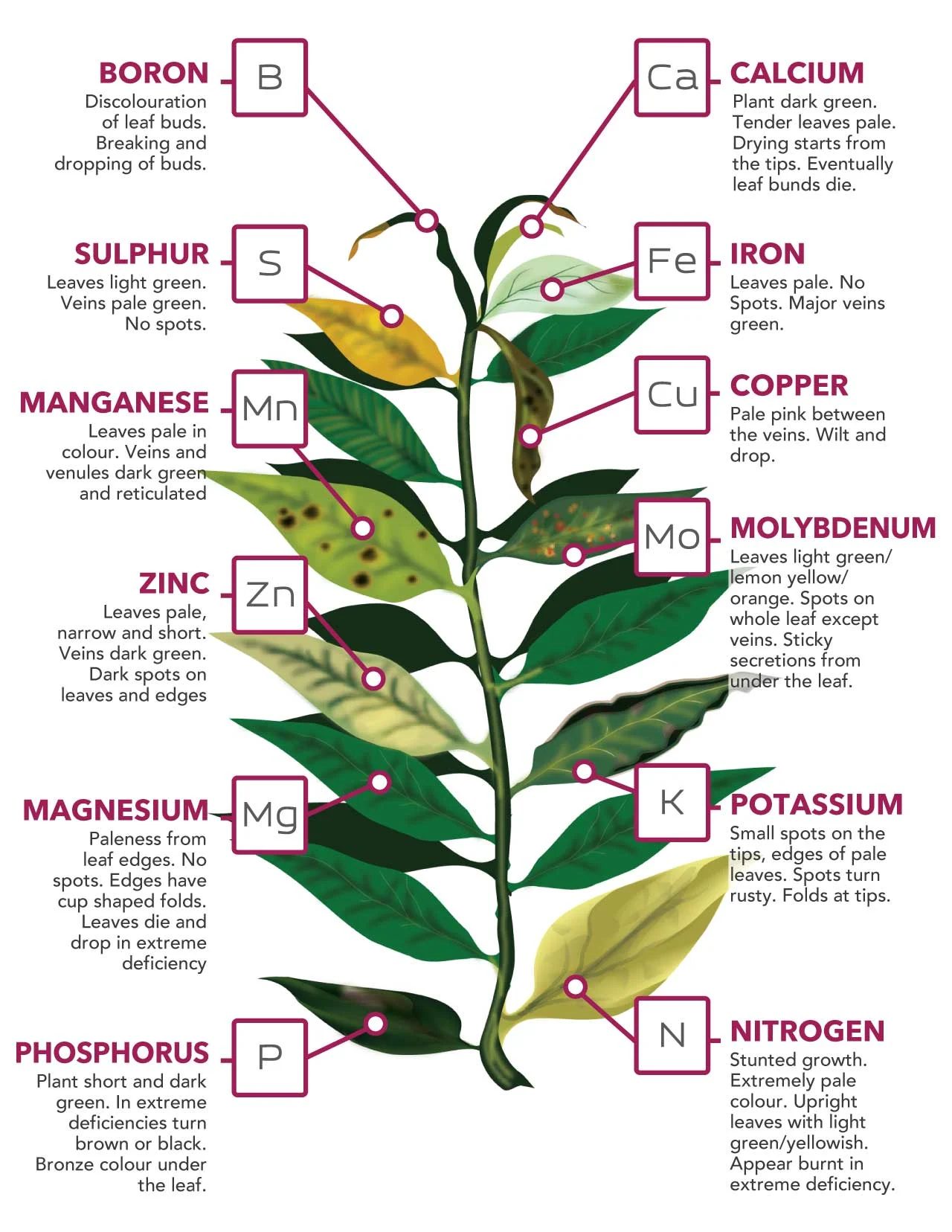
Nitrogen
Drives: biomass, leaf area, tillering, chlorophyll, protein synthesis
Deficiency symptoms: pale seedlings, poor vigour, reduced tillering, slow canopy closure

Phosphorus
Drives: root growth, energy transfer (ATP), establishment, cell division
Deficiency symptoms: stunting, purpling, delayed maturity, weak root systems

Potassium
Regulates: water movement, osmotic balance, enzyme activation, stress tolerance
Deficiency symptoms: marginal scorch, weak seedlings, poor stress resilience

Sulphur
Essential for: amino acids, chlorophyll, N utilisation, oil formation in canola
Deficiency symptoms: pale young leaves, spindly plants, poor growth despite adequate N

Boron
Supports: cell walls, root tips, sugar transport, reproductive development
Deficiency symptoms: distorted young leaves, poor roots, hollow stems in canola

Zinc
Regulates: auxin production, root development, enzyme systems, early leaf expansion
Deficiency symptoms: stunting, short internodes, striping in cereals

Manganese
Involved in: photosynthesis, enzyme activity, N metabolism
Deficiency symptoms: interveinal chlorosis, grey speck in oats, patchy growth

Molybdenum
Essential for: nitrate reduction, N conversion, legume nodulation
Deficiency symptoms: N‑deficiency‑like symptoms, poor nodulation, pale crops

Crop Diagnostics Calculator
Determine whether your crop has any nutritional deficiencies that might limit its yield. Our nutritional solutions will not only improve crop growth but strengthen plants against environmental stressors and herbicidal injury.
How Active BUILD™ Corrects Deficiencies & Supports Stress Resilience
Active BUILD™ assists crop recovery and resilience through three key mechanisms:
1. Rapid Foliar Uptake
Nutrients are absorbed within hours, bypassing soil constraints such as cold, dry or compacted conditions.
2. Balanced Nutrition with Strong Compatibility
The formulation delivers the nutrients most critical for early vigour and is designed for compatibility with a wide range of agrochemicals — an important consideration when tank‑mixing during busy spray windows.
3. INTRINSIC™ Mode of Action for Stress Mitigation
This technology helps crops maintain growth and yield potential under environmental and chemical stress by:
- Preparing plants to better respond to changing conditions
- Supporting continued growth during stress events
Key stress types supported by INTRINSIC™:
- Herbicide stress
- Temperature extremes (hot or cold)
- Moisture stress (wet or dry)
Crop-Specific Benefits
Cereals
Improved rooting, photosynthesis, tiller survival, chlorophyll density and stem strength.
Canola
A 4–8 leaf application enhances root growth, branching and early bud development for a smoother transition into reproductive growth.
Pulses
Pre‑flowering application supports nodulation efficiency, pod set and stress resilience.
Fodder Crops (Hay & Silage)
Enhanced stem strength, leaf area and feed quality, supporting higher biomass and improved nutritional value.
The Payoff for Growers
Growers consistently report:
- Stronger early vigour
- More even canopies
- Improved stress tolerance
- Better flowering and pod set
- Higher biomass and feed quality in hay and silage
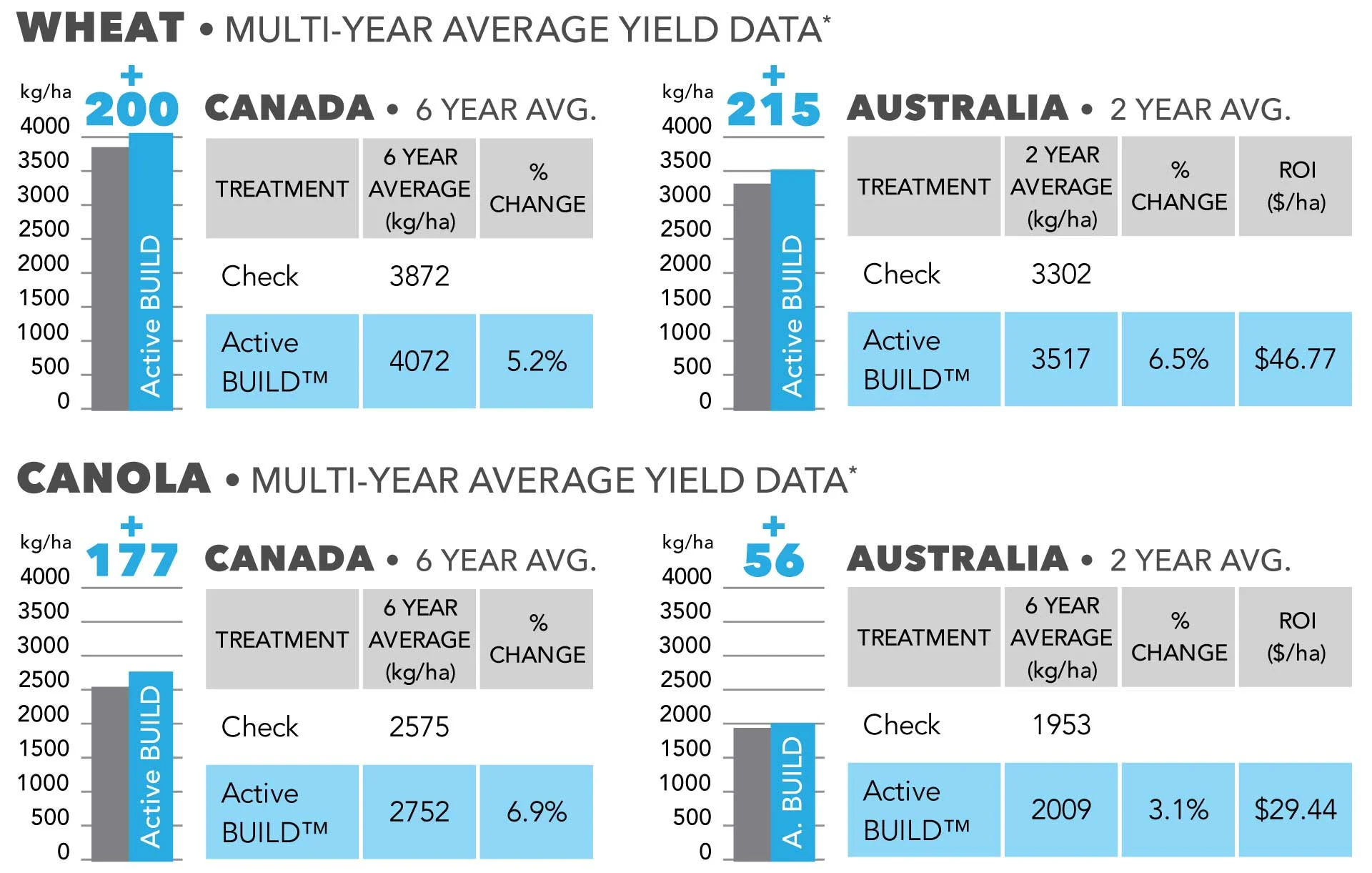
In seasons with tight margins or challenging starts, balanced foliar nutrition — combined with improved stress tolerance — is one of the most cost‑effective strategies for protecting yield potential.